 Workplace Platform Education
Understanding Employee Records in HR Platforms: An Educational Review…
Disclaimer:
Disclaimer: This post is for educational and informational purposes only and does not provide financial advice or investment guidance.
Introduction
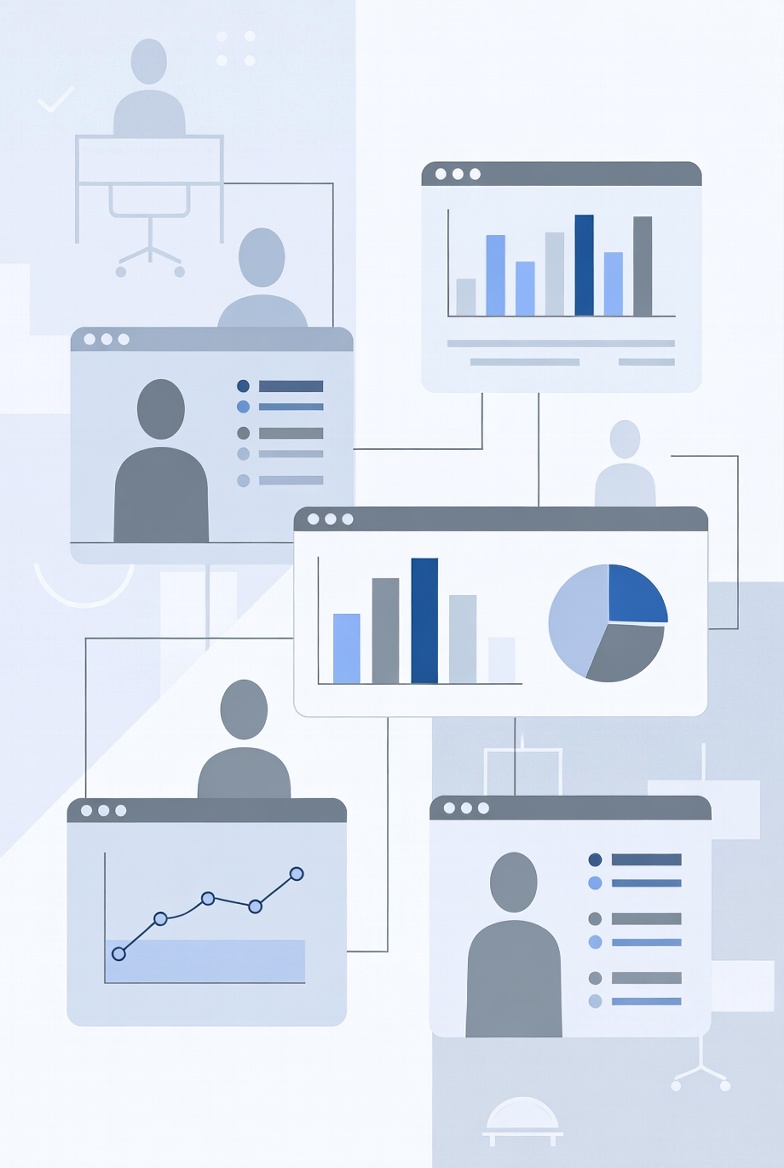
Employee records form the foundation of most digital HR platforms. These records are not simple profiles but structured collections of information that support internal organization and long-term documentation. In this educational review, bamboohr is used as a reference example to explain how employee records are organized, maintained, and accessed within modern HR systems.
What Employee Records Represent in HR Systems
In HR platforms, employee records act as centralized information hubs. Rather than scattering data across documents or spreadsheets, platforms consolidate details into a single structured profile.
From a learning perspective, employee records typically include:
- Identification and role-related information
- Timeline-based updates and changes
- Internal notes and historical entries
Bamboo hr demonstrates how structured records reduce duplication and improve clarity across an organization.
Modular Record Organization
A key design principle in hr bamboo platforms is modular organization. Instead of presenting all data at once, records are divided into sections. Each section focuses on a specific category of information.
Common modules include:
- Overview sections summarizing key details
- History sections showing chronological updates
- Document or attachment areas for internal reference
This modular approach allows users to locate information efficiently while maintaining consistency across records.
Controlled Editing and Record Integrity
Not all users can modify employee records. Bamboohr illustrates how controlled editing preserves data integrity. Changes are often limited by role, and updates may require confirmation or approval.
Educationally, this highlights important system principles:
- Preventing accidental data changes
- Maintaining accountability for edits
- Preserving historical accuracy
These controls ensure that records remain reliable over time, even as information evolves.
Timeline-Based Record Tracking
Many HR platforms rely on timeline views to display record updates. In bamboo, timelines provide a chronological overview of changes, making it easier to understand when and how information was updated.
Timeline features often include:
- Date-stamped entries
- Descriptions of actions taken
- Visibility into past configurations
Studying these timelines helps learners understand how systems maintain continuity without deleting prior data.
Visibility and Access Boundaries
Employee records are not universally visible in full detail. Bamboohr applies access boundaries so users only see information relevant to their role.
This approach demonstrates how platforms balance:
- Transparency for administrators
- Simplicity for general users
- Protection of internal data
Understanding these boundaries is essential for anyone studying enterprise software design.
Educational Value of Record-Based Systems
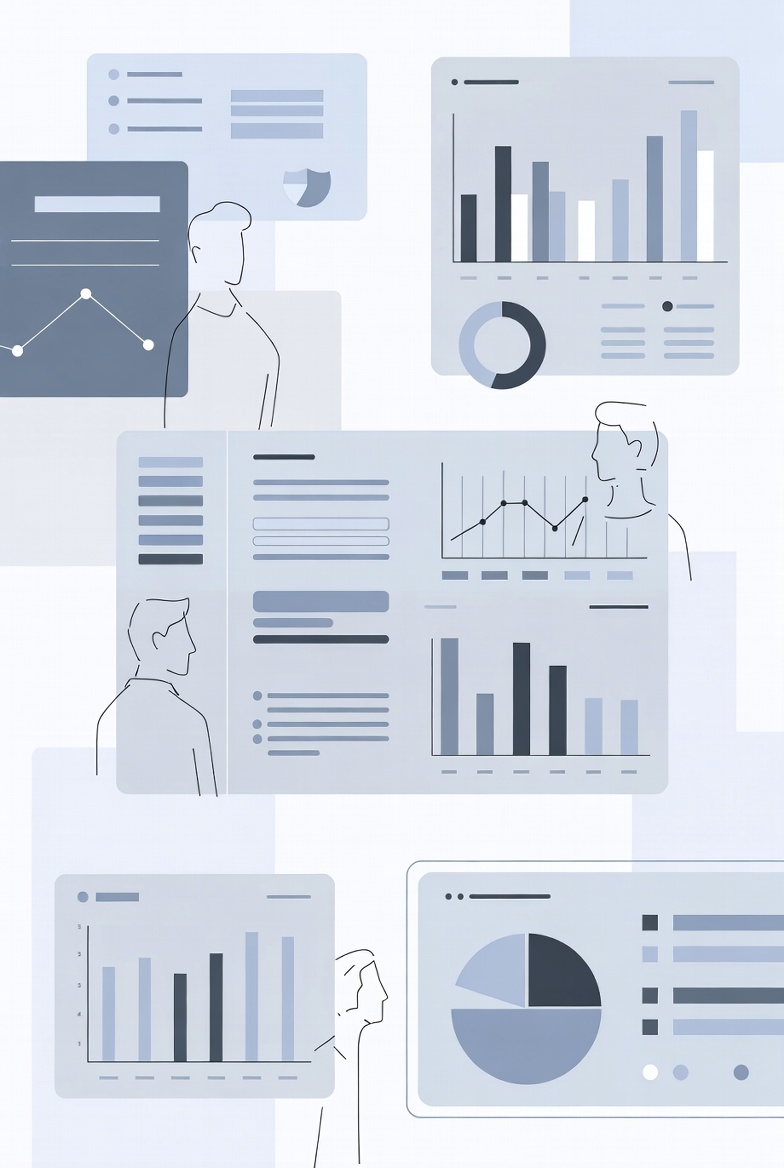
From an educational standpoint, employee records illustrate how digital platforms replace informal documentation with structured systems. By examining record layouts and update mechanisms, learners gain insight into broader data management concepts used across many industries.
Conclusion
Employee records in BambooHR provide a clear example of structured information management within HR platforms. Through modular design, controlled editing, and timeline tracking, these systems maintain clarity and consistency. The principles explored here apply broadly to modern digital platforms and support neutral, platform-agnostic learning.
Final Disclaimer:
Disclaimer: This post is for educational and informational purposes only and does not provide financial advice or investment guidance.